When Love Wasn’t Being Heard
The hardest moment for a parent isn’t when a child fails. It’s when you begin to sense they’re pulling away—and you’re not sure why.
Janet didn’t notice it all at once. At 51, raising twin boys with her husband in a city in Mindanao, she believed she was doing what a good mother should do. She corrected them. She pushed them to improve. She compared them to others, thinking it would motivate them. She made sure their needs were met.
That, to her, was love.
But something in the house had started to shift.
The conversations didn’t go very far anymore. Her sons answered, but didn’t share. There was no open conflict, just a quiet distance that kept growing. What she thought was helping was landing differently. What felt like guidance to her felt like rejection to them.
She loved her children. That had never changed.
But somehow, they weren’t always feeling it.
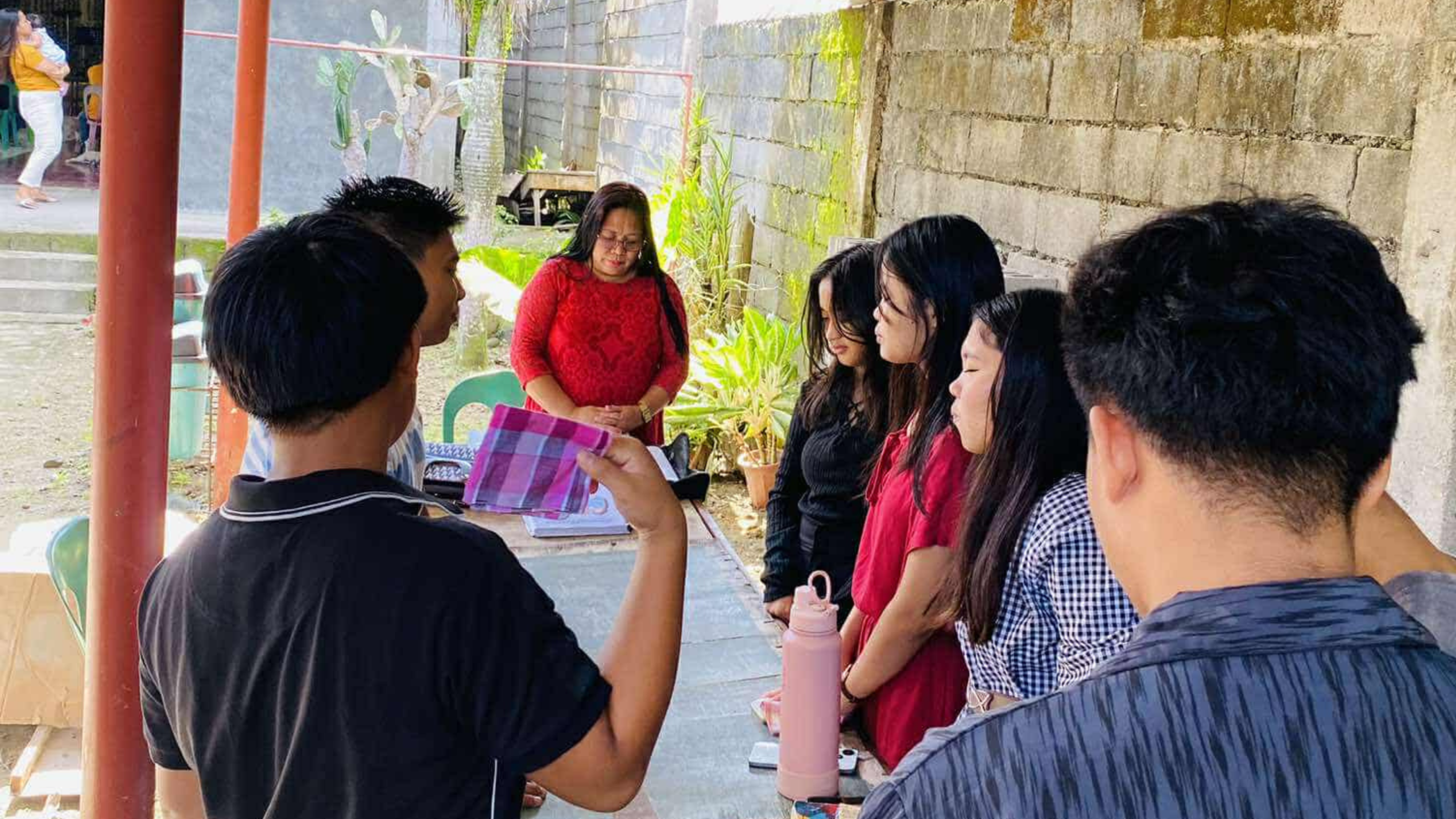
The turning point didn’t come through a crisis. It came through something smaller—an invitation to join our Strengthening Communities & Families (SCF) program. At first, it felt like just another session, another set of lessons. But as she listened, something began to press against what she had always believed.
Love that is not expressed is often not felt. It stayed with her.
Because for years, she believed love was proven through sacrifice, discipline, and provision. She worked hard for her family. She corrected her children because she wanted them to succeed. But she began to realize something painful: her sons needed more than correction. They needed connection. They needed to feel safe enough to speak, fail, and be heard without fear of comparison.
SCF helped her see what had been happening beneath the surface.
The program was designed to do more than teach parenting strategies. It exists to help lift children out of darkness and protect them from the vulnerabilities that place so many at risk—human trafficking, exploitation, recruitment into violence, and cycles that quietly destroy futures before they fully begin.
Because children do not grow in isolation. Communities shape them. Families shape them first.
And when families begin to weaken—when communication breaks down, when trust erodes, when homes become places of fear instead of safety—children become vulnerable in ways that are not always immediately visible.
But the opposite is also true.
Strong families create strong communities. And strong communities become protective walls around children. They become the kind of places where abuse is noticed, where exploitation struggles to hide, and where children are given the chance to grow into healthy adults, peacemakers, and leaders who strengthen the next generation.
Janet didn’t come into the program thinking about any of that.
She was just trying to be a good mother.
But somewhere along the way, she realized that protection sometimes begins with very small things: the tone of a parent’s voice, the willingness to listen, the courage to apologize.
And that’s exactly what she did.
What followed wasn’t dramatic.
It was a decision: Janet sat down with her sons and apologized.
There’s a weight to that kind of moment. A parent choosing to step down from certainty. Admitting something was wrong. Letting go of control, even just a little, to make room for something else.
She didn’t know what would happen next, but something shifted. Not all at once. Not perfectly. But enough to notice.
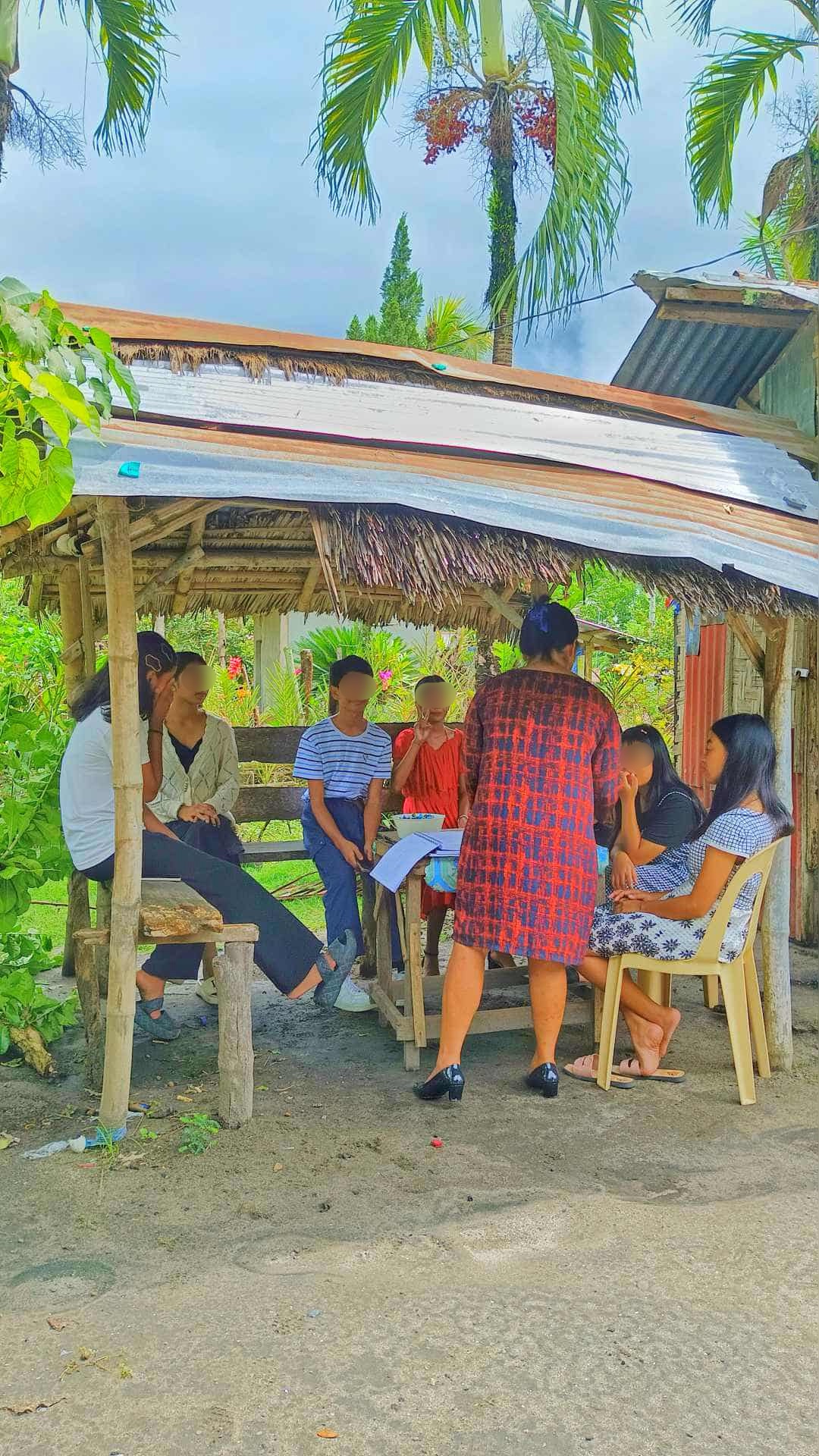
Her sons started speaking more. Not everything, but more than before. The silence that used to sit between them didn’t feel as heavy. And when frustration came, as it still does, Janet found herself responding differently—not just correcting, but staying present. Not just pointing out what was wrong, but naming what was good.
The house didn’t change overnight. But it began to feel different.
For Janet, the SCF program didn’t just give her tools. It showed her something she hadn’t fully seen before. It helped her recognize her own patterns—the ones she thought were helping but were quietly creating distance. It strengthened her marriage. It gave her language for her emotions. And somewhere in the middle of all that, it brought her back to dependence on God—not just to provide, but to change her from the inside out.
“I am happy because it’s not too late,” she says.
Not too late to speak differently. Not too late to repair what felt strained. Not too late to build something new in the same home.
Because sometimes the most important protection a child receives doesn’t come from outside. It comes from what happens inside the home.
From the tone of a parent’s voice.
From the words that are finally said.
From the patterns that quietly change.
And maybe that’s where it begins.
If this story stays with you, don’t move past it too quickly. Take a moment and ask yourself what might need to shift in the way you respond, speak, or listen. Because what goes unexamined often gets repeated—and what begins to change in one home rarely stops there.
Join our fight
Help us stand in the line of fire for children in conflict